

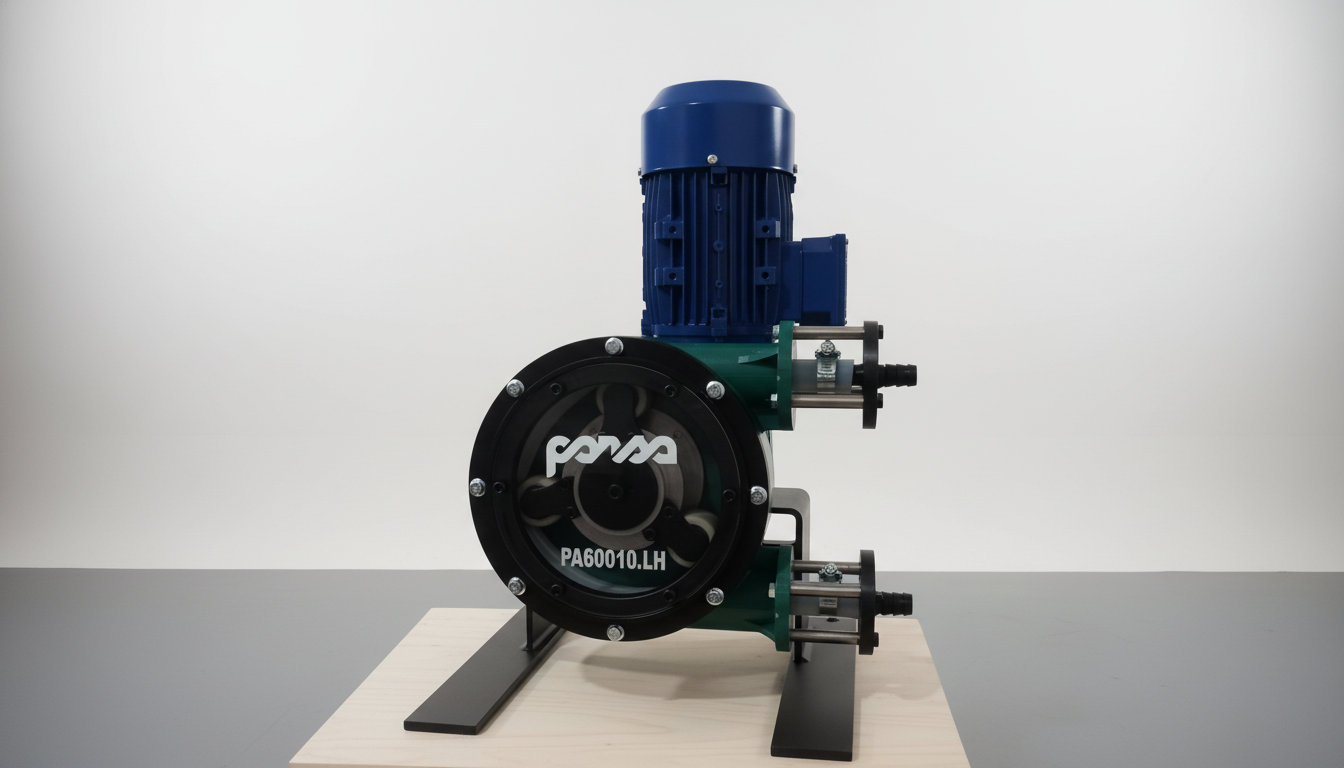
Preventative Care to Extend Tube Lifespan
While peristaltic maintenance is low-cost, following basic guidelines prevents sudden unscheduled production shutdowns. Here is how to maintain your hose and roller assemblies.
1. Lubrication Cycles
Always maintain high-grade silicone lubricant inside the casing. Shimming shoes to match exact backpressures prevents excessive compression fatigue on the hose fibers. Frictional heat is a primary cause of rubber wear, and proper grease levels dissipate this heat, extending cover life. Weekly checks prevent dry-running failures.
The grease must be chemically compatible with the hose material. Using hydrocarbon-based grease on natural rubber will dissolve the elastomer, leading to premature failure. Always use silicone-based lubricants. Compatibility ensures polymer chain stability.
2. Shimming and Occlusion Accuracy
Rotor shoes compress the hose to create a seal. If compressed too tightly, the rubber carcass is damaged. If too loose, fluid slips backwards, reducing flow and eroding the inner hose lining. Place metal shims behind the shoes to set the gap based on actual system pressure. Precise shimming ensures stable volumetric outputs.
Correct calibration reduces motor load, saving energy and wear on the gearbox bearings. Shimming should be checked whenever a new hose is installed. Reduced energy consumption is a direct operational cost advantage.
3. Hose Replacement Schedules and Leak Detection
Log pump hours and replace the hose before it reaches its wear limit. A burst hose handling acids can damage the casing and rotor. Install a leak sensor in the bottom drain of the casing; it will cut off motor power as soon as moisture is detected, preventing damage. Casing drains must remain clear.
Having spare hoses in stock ensures minimal down-time. Parsa Group maintains an inventory of NR, EPDM, and NBR replacement hoses to support fast servicing. Quick responses secure continuous operations.
4. Piping and Flow Flushing
Sediment build-up inside the hose can harden during shut-downs, blocking the flow when the pump restarts. Flush the hose with water or a cleaning solvent after each cycle to keep the wetted path clean and reduce wear on the tube wall. Flushing routines prevent line clogs.
5. Conclusion
Regular maintenance extends the lifespan of peristaltic pump hoses. Parsa Group provides training and support for operators, ensuring reliable pump performance across chemical and industrial plants in Iran.