
Complete Troubleshooting Guide for Industrial Hose Pumps technical
2026-07-17

Complete Troubleshooting Guide for Industrial Hose Pumps

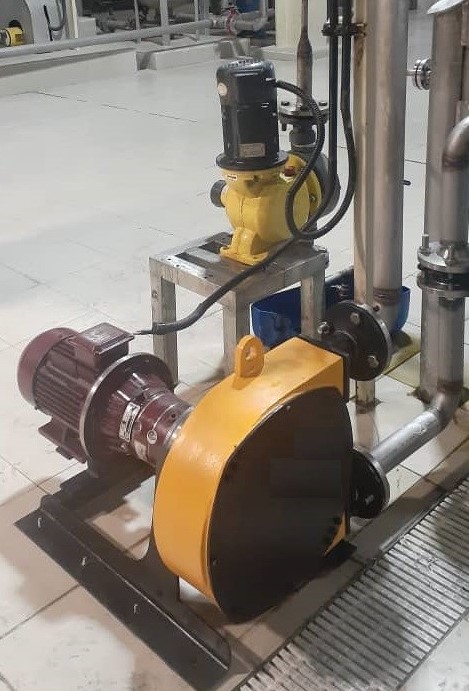
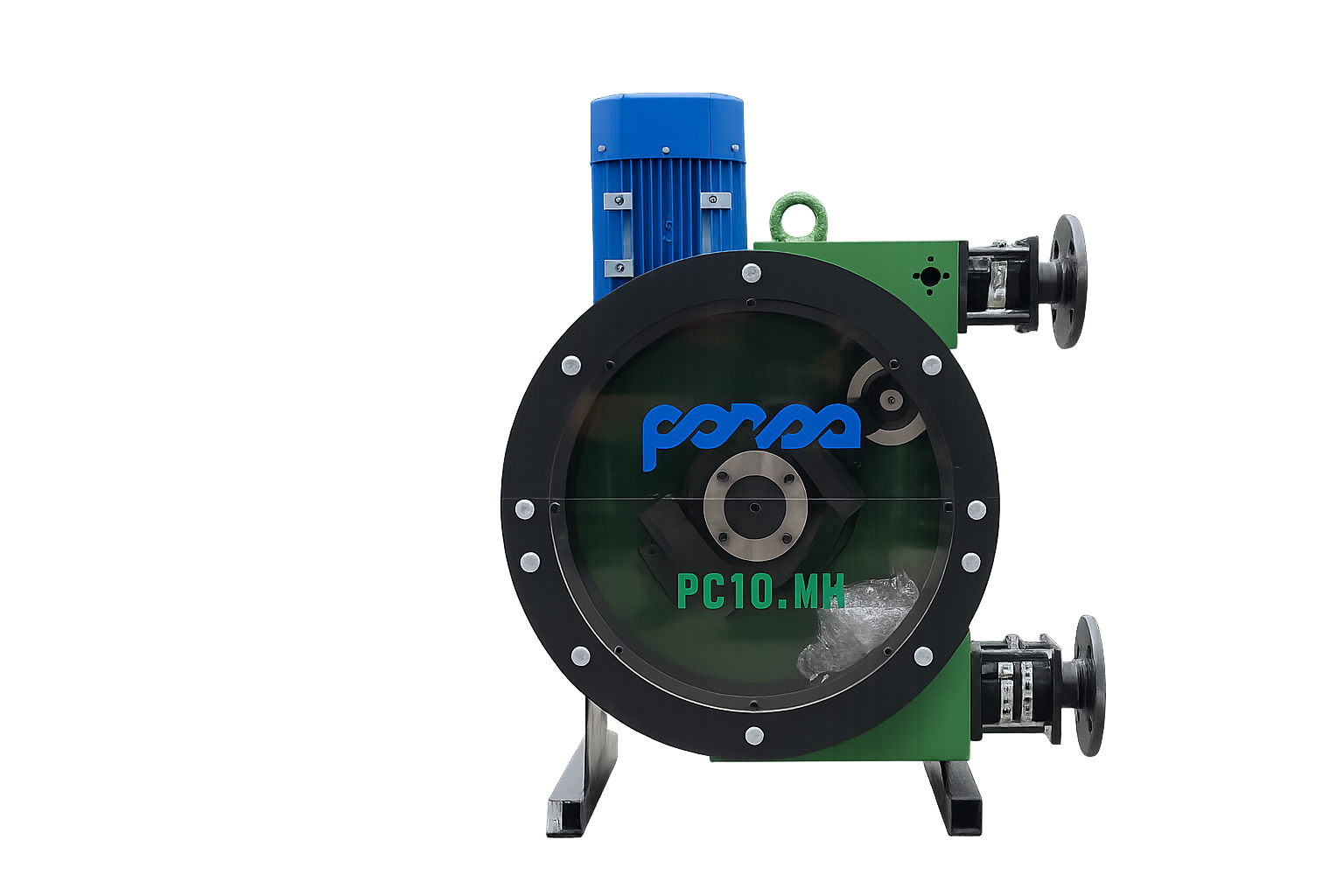
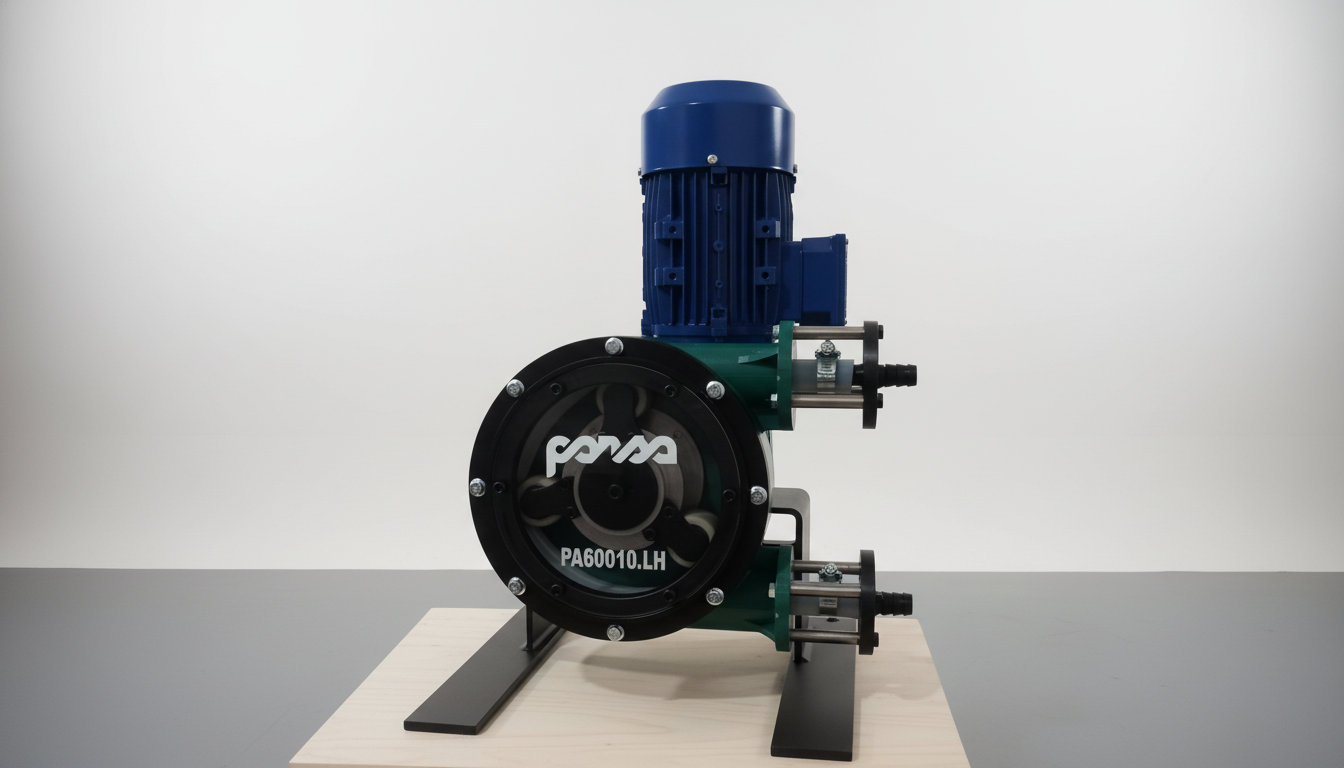
A comprehensive engineering troubleshooting guide for diagnosing and resolving common issues in industrial peristaltic hose pumps, including drop-offs in flow rate, casing over-heating, line pulsations, and premature hose failures. It covers proper shimming adjustments, chemical compatibility analysis, and housing lubricant monitoring. Learn how to diagnose structural delamination and mechanical wear, extend rubber fatigue limits, and secure drive gearboxes.
Peristaltic Pumps in Wastewater and Sewage Treatment technical
2026-07-17

Peristaltic Pumps in Wastewater and Sewage Treatment

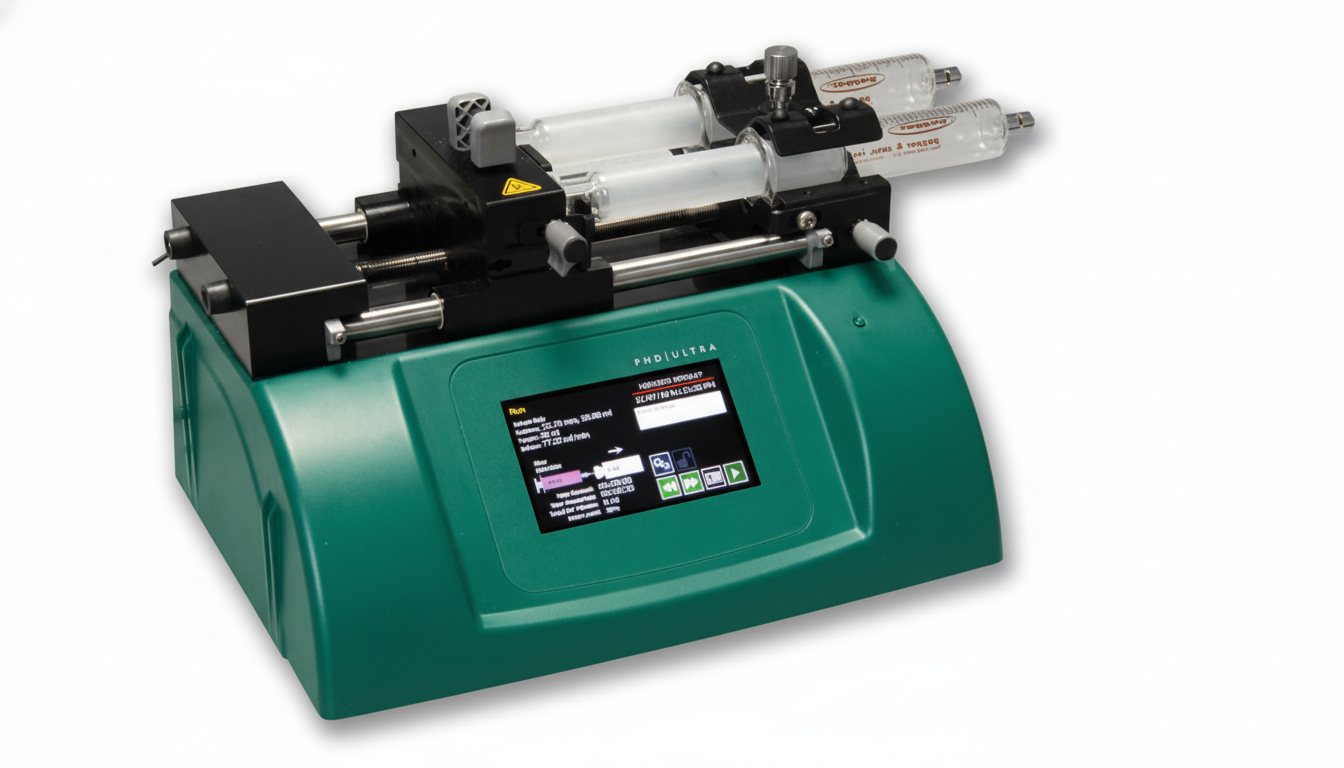
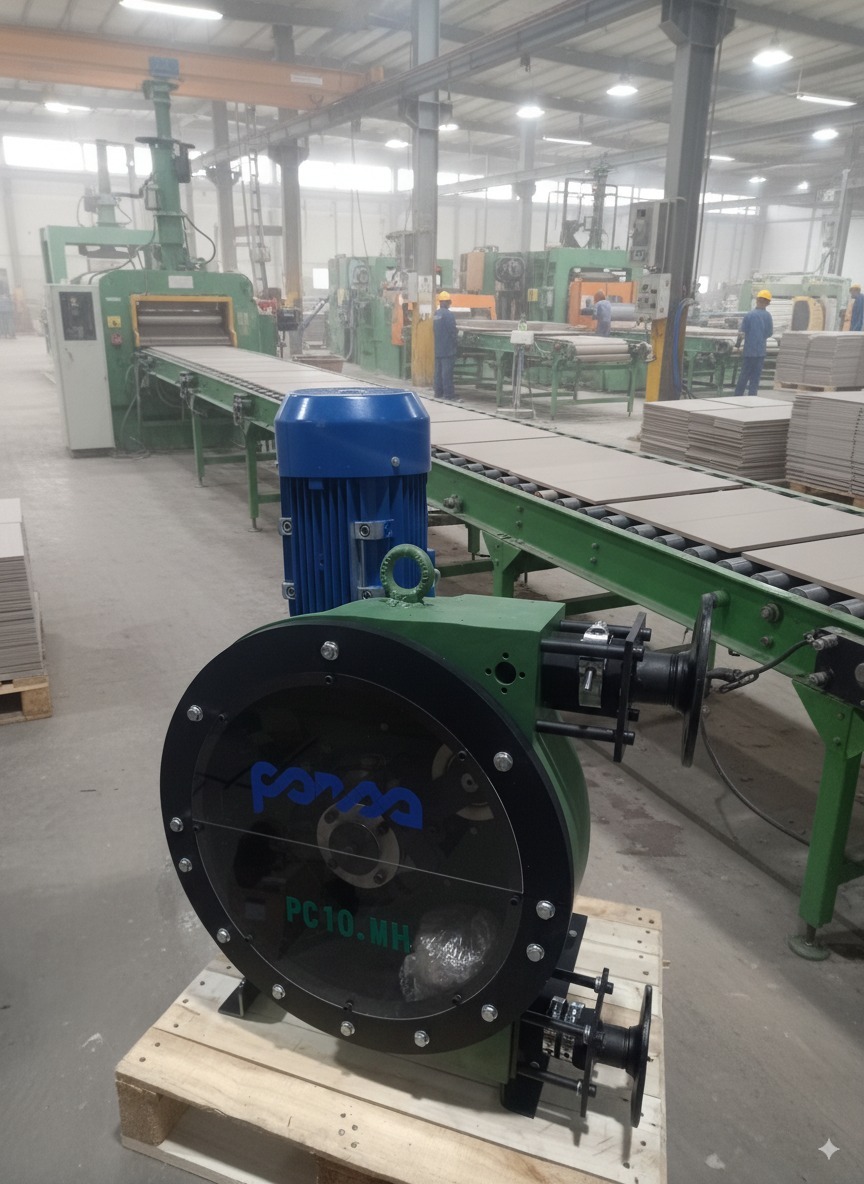
A detailed technical review analyzing the application of peristaltic hose pumps in municipal and industrial wastewater treatment plants, covering chemical dosing, lime milk injection, polymer conditioning, and heavy sludge transfer. This guide evaluates how the valve-less, seal-less design of Parsa's pumps eliminates recurring mechanical seal wear caused by suspended crystalline solids and corrosive reagents. Learn how to optimize shimming calibrations, prevent sodium hypochlorite vapor locks, and extend EPDM elastomer hose lifespans in tough sewage environments. Read on for the full technical parameters and flow calculations required to size these systems correctly.

Industrial Peristaltic Pump Pricing Factors technical
2026-07-17

Industrial Peristaltic Pump Pricing Factors

An economic analysis of procurement and operational costs for industrial peristaltic hose pumps. This pricing guide evaluates key technical cost drivers including housing casting thickness, reduction gearbox torque capacities, motor specifications (explosion-proof ATEX vs standard), and hose reinforcement quality. It details why peristaltic configurations yield a fast return on investment by reducing downtime and seal rebuilds.

What is a Peristaltic Pump? Mechanics Explained technical
2026-07-17

What is a Peristaltic Pump? Mechanics Explained

An introductory guide explaining the principles of peristaltic pumping, tracing its biological origin (peristalsis) to industrial positive displacement applications. This technical overview covers seal-less casing design, fluid isolation inside flexible hoses, and comparisons between sliding shoes and rollers. It outlines volumetric flow efficiency and explains why these pumps are highly reliable for aggressive chemical dosing.

Maintenance and Hose Lifespan Tips technical
2026-07-16

Maintenance and Hose Lifespan Tips

A detailed technical guide explaining preventative maintenance for industrial peristaltic pumps. It covers shoe gap shimming, lubricant checking, leak detection setup, and hose replacement schedules to prevent pipeline down-time. Proper shimming balances occlusion with wear, extending the hose lifetime. Learn how to monitor thermal stress, choose the correct silicone grease, and automate pump shutdowns during elastomer ruptures.

Peristaltic Slurry Pumps in the Mining Industry applications
2026-07-15

Peristaltic Slurry Pumps in the Mining Industry

An engineering paper analyzing peristaltic hose pumps in mining and metallurgy. It covers heavy abrasive copper slurries, dense thickener underflow, and high-pressure filter press feeding with solid concentrations up to 80% weight. Learn how the valve-less, seal-less design of Parsa's mining pumps reduces pipeline wear, prevents seal dilution, and lowers operating costs. This manual provides complete technical specifications for mining slurry projects.

Hose Selection Guide for Peristaltic Pumps technical
2026-07-14

Hose Selection Guide for Peristaltic Pumps

A technical selection manual for choosing the right elastomer compound for peristaltic pump hoses. This guide details the chemical and thermal boundaries of Natural Rubber (NR), EPDM, Nitrile (NBR), and Silicone. It covers reinforcement layers, dynamic shimming adjustments, casing lubricants, and early failure prevention. Selecting the incorrect hose material leads to swelling, degradation, and line shutdowns. Learn how to optimize shimming, run diagnostic leak checks, and select the optimal elastomer for acids, oils, food purees, or abrasive slurries.

Comparison: Peristaltic vs. Diaphragm Pumps technical
2026-07-13

Comparison: Peristaltic vs. Diaphragm Pumps

An exhaustive comparative study detailing the differences in performance, solid handling capacity, check-valve clogging, and total lifecycle costs between peristaltic hose pumps and double diaphragm (AODD/mechanically actuated) pumps. This technical paper highlights why peristaltic configurations excel at handling gritty slurries and crystallizing chemical feeds due to their straight-through wetted path. In contrast, diaphragm pumps rely on ball-valve check systems that fail in the presence of suspended solids. Read this manual to optimize your plant procurement budgets, understand volumetric efficiencies, and compare maintenance downtime factors.

How Peristaltic Roller Pumps Function technical
2026-07-12

How Peristaltic Roller Pumps Function

A detailed technical review explaining how peristaltic roller pumps work, focusing on the mechanics of roller-driven hose occlusion, rotor kinematics, and dynamic self-priming vacuum generation. This guide compares low-friction ball-bearing rollers used in LH-series pumps with high-friction sliding shoes, showing how rolling mechanics prevent heat build-up and double rubber lifetimes. It covers suction lift heights up to 9.5 meters, explain how vacuum is created by the hose elastic memory, and offers shimming instructions to minimize slip-back flow. This manual is written for wastewater treatment operators, chemical dosing engineers, and laboratory technicians seeking to calibrate positive displacement systems.

Advantages of Hose Pumps in the Food Industry applications
2026-07-11

Advantages of Hose Pumps in the Food Industry

A detailed analysis of sanitary peristaltic hose pumps in food processing, packaging, and beverage lines handling highly viscous and sticky ingredients like honey, liquid chocolate, purees, and fruit syrups containing physical solids. This guide evaluates critical parameters including shear-sensitive fluid protection, FDA-compliant NBRF elastomer compatibility, and Clean-in-Place (CIP) flushing optimization. By confining the food stuff inside a fully isolated elastomer tube, these pumps prevent industrial grease migrations and mechanical seal leakage risks, satisfying strict HACCP and food safety regulations. Learn how to calibrate compression shims, maintain discharge flow accuracy without crushing ingredients, and decrease downtime in dairy plants. This technicalSelector Guide is written for process engineers seeking to eliminate dead zones and improve overall sanitary piping loops.

Complete Guide to Selecting Peristaltic Pumps technical
2026-07-10

Complete Guide to Selecting Peristaltic Pumps

A comprehensive guide for industrial engineers and procurement managers on selecting the optimal peristaltic pump model based on flow rate, system backpressure, chemical compatibility of the elastomer, and fluid viscosity. This detailed manual covers the key differences between low-pressure roller designs and heavy-duty sliding shoe configurations, ensuring minimal maintenance downtime and maximum hose operational lifespan. It addresses critical application scenarios in chemical dosing, mineral processing underflows, food-grade Clean-in-Place systems, and sanitary pharmaceutical dosing. By understanding how occlusion shimming, rotational speed, and housing lubricants affect overall rubber wear, operators can make informed decisions to optimize their liquid transfer pipelines. Read on to discover the exact formulas and parameters required to size your next peristaltic pump setup correctly without relying on generic placeholders or risking premature elastomer degradation under high pressure. This Selector Manual provides full technical guidance.